SAFARI AT SAVANNA
Every moment in the bush is a privilege. By following a few simple principles, you help protect the wildlife, ensure your safety, and enhance the experience for everyone.
A safari is not just about what you see – it's about how you see it. At Savanna Lodge, we believe in treading lightly, watching quietly, and moving with respect through the wild spaces we call home.
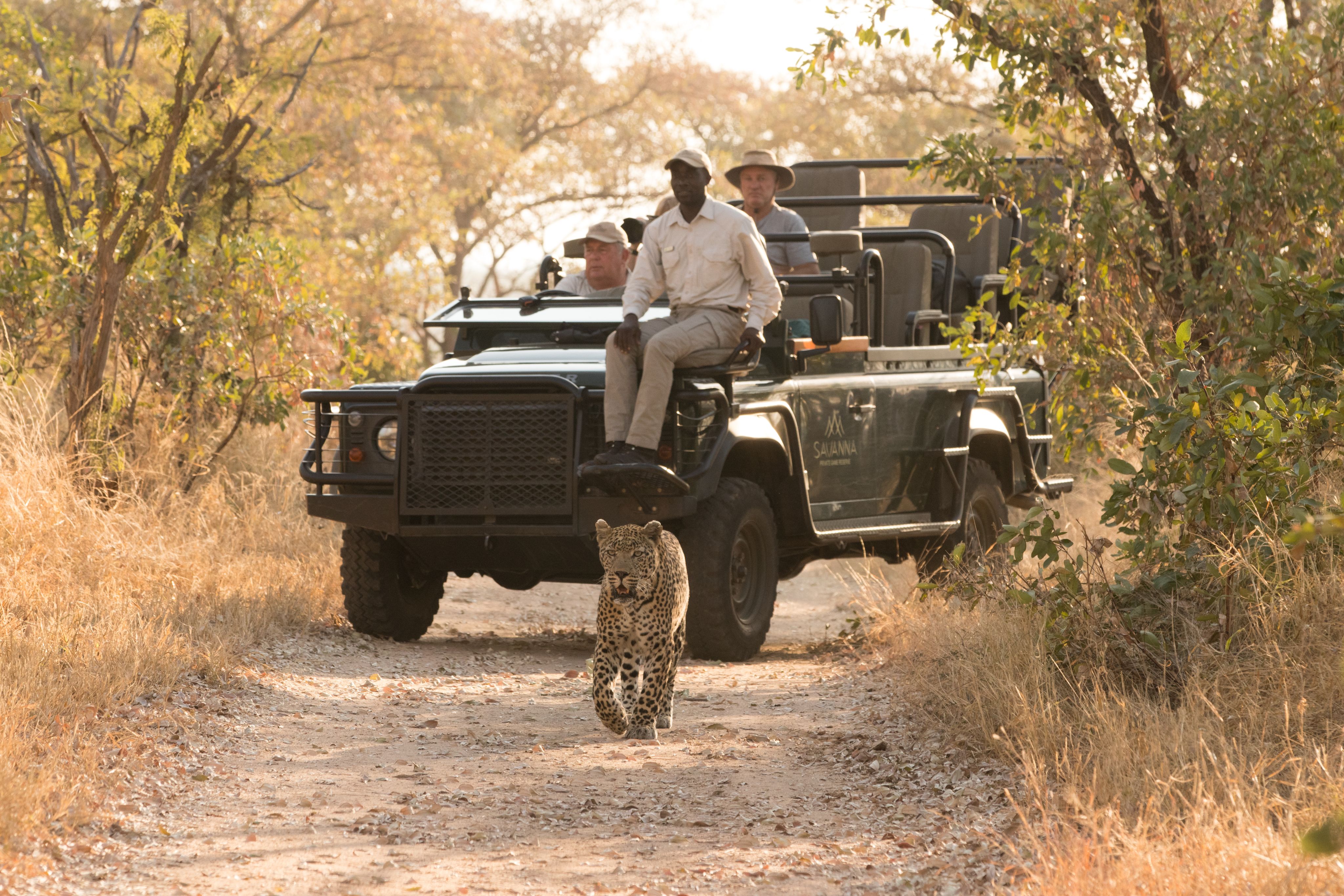
Your time with us will bring you thrilling wildlife encounters – from close-up sightings of the Big Five to delicate moments with rare birds and shy creatures. To protect these experiences for all, we follow a shared code known as Bush Etiquette.
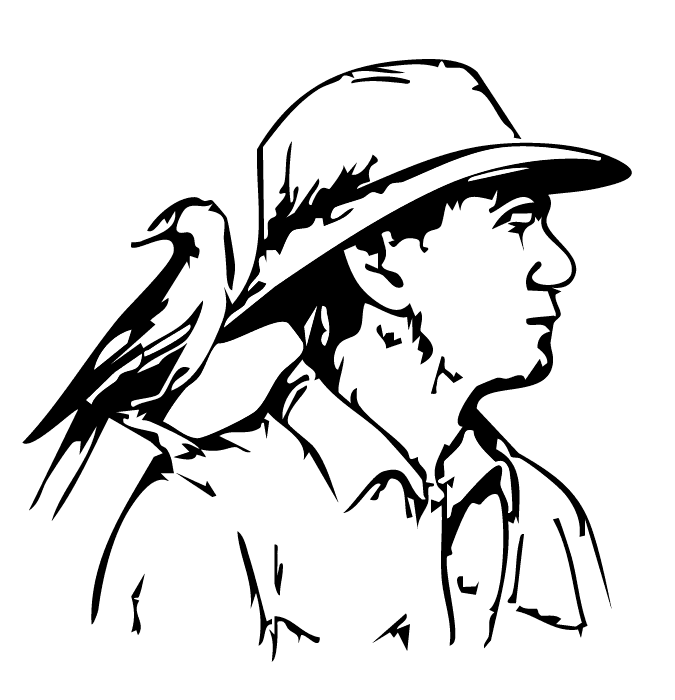
Your guide is your link to the bush. Their expertise ensures your safety, helps you interpret animal behaviour, and makes your safari both rewarding and enriching. Communicate if you’re uncomfortable with a situation. Ask questions: no matter how trivial you consider your question. Every vehicle is equipped with a radio that the guide uses to communicate with other guides. Please be patient while they are talking on the radio, as they are more than likely listening to information that may benefit your experience.
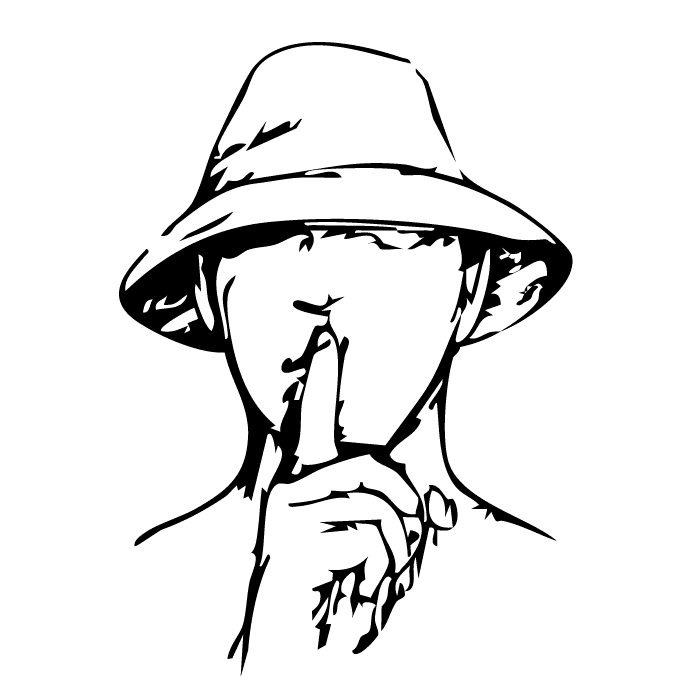
Conversations in a soft tone allow you – and the wildlife – to enjoy the natural sounds of the bush. Sudden noises can startle animals and cause them to retreat.
The magic of the bush reveals itself to those who wait, watch, and walk with respect.
Stay still when viewing animals. Abrupt gestures can be seen as a threat and may alter their behaviour.
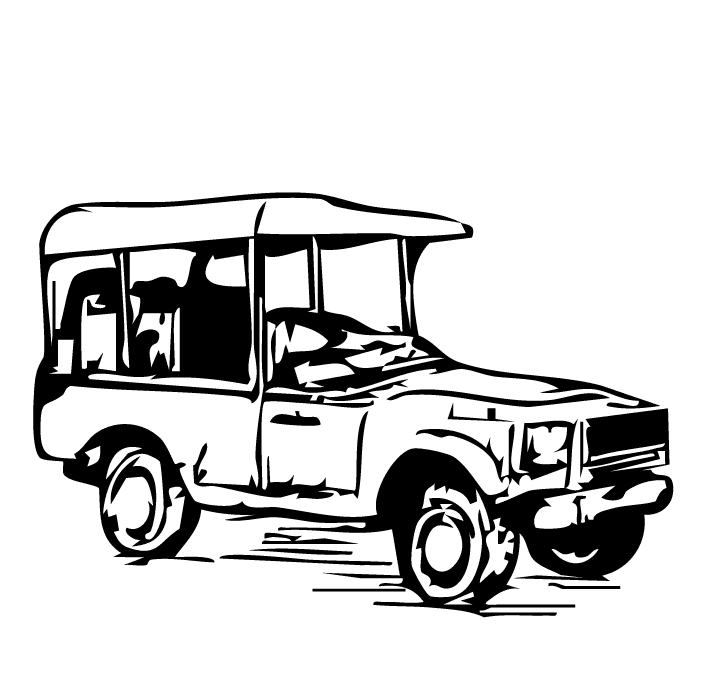
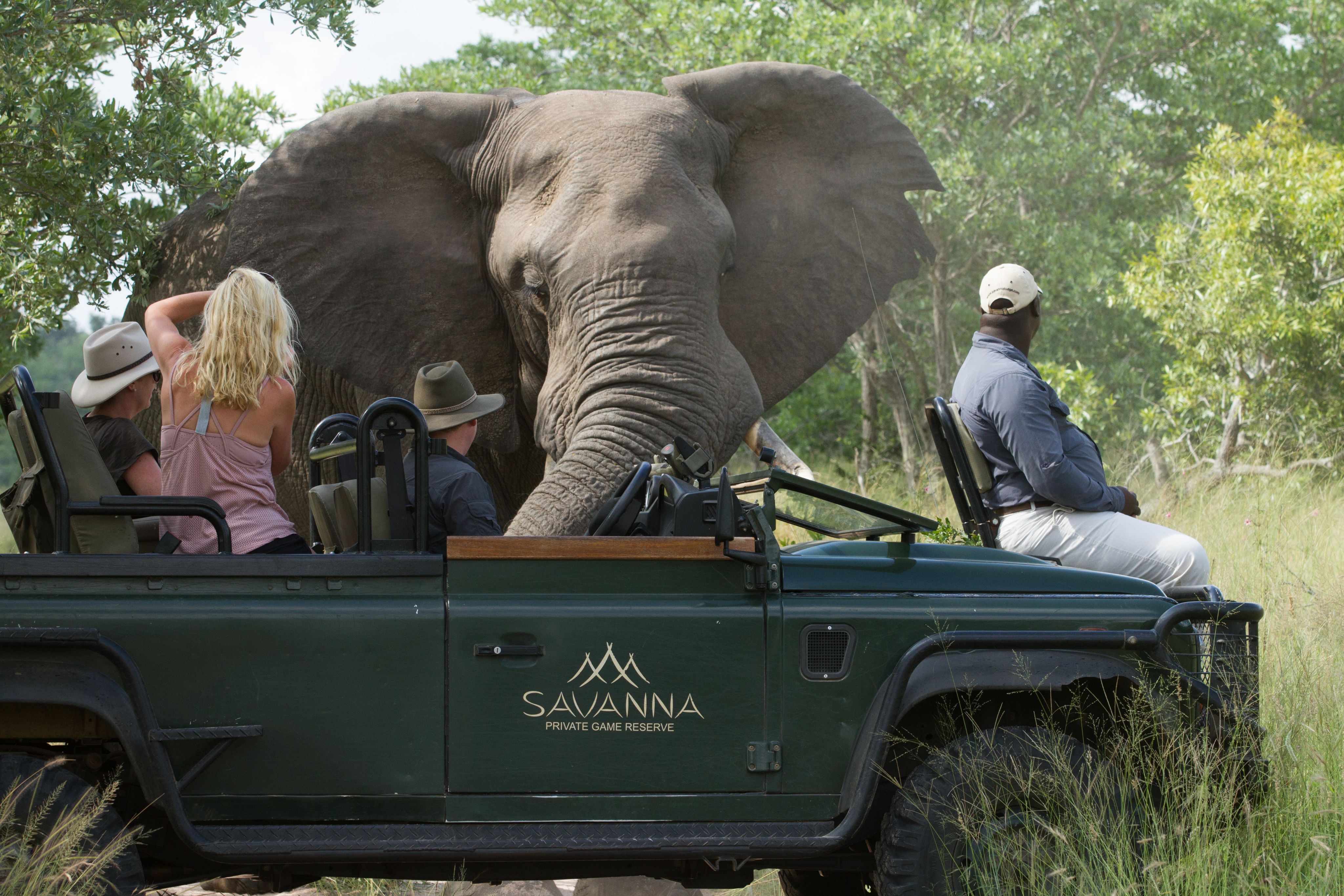
Our open vehicles are safe spaces because wildlife see them as part of the landscape. Standing or leaning out disrupts this illusion and puts the vehicle and everyone in it at risk. Please remain seated and keep your limbs inside the vehicle until your guide says it's safe. Watch out for branches and try not to touch them: many trees have sharp thorns. When driving off-road, be on the lookout for branches which may be in the way – your tracker and guide will do everything to alert you to these. The vehicle will drive off road at times, hold on to the bar in front of you to stabilise your body, making the ride more comfortable.

Flash can startle animals, particularly at night. We recommend natural light or low-light settings, and your guide will let you know when it's appropriate to use flash.
To protect the animals and ensure the best viewing for everyone, we limit the number of vehicles at each sighting and maintain adequate space for others to share the moment.The guide will allow the animal to dictate where he will move and park.

When on foot, stay in single file behind your guide, move quietly, and avoid picking plants or disturbing insects. Walking safaris are an immense privilege and should be treated with respect.

Dispose of any waste properly and avoid taking anything back from the bush. Our goal is to leave the wilderness untouched – wilder, quieter, and thriving.
Watch for signs of discomfort in animals – such as repeated glances, tail twitches, or movement away from the vehicle. Respect their need for space.
During game drives, mobile phones, iPads/tablets and other similar devices may be used for photographic purposes only. These devices must be switched to silent so as not to disturb other guests, the guides or wildlife. No telephone calls may be made or received while guests are on game drives.

Should you have a special interest in any aspect of the local fauna, flora, or photography, please let your guide know.

During the summer months (Sep- May) it is advisable that you wear lightweight clothing, as well as sunscreen and a hat. Bring something warm to wear should it get cool during the evening drive. Winter drives (Jun – Aug), especially early morning and evening can be very cold, so it is essential to bring clothing suited for these conditions. Midday in winter can be warm, so you may want to dress in layers so that you can shed clothes as the day warms up.